

Artificial Light at Night
Artificial Light at Night, also known as ALAN, changes the natural darkness that supports wildlife, human health, astronomical observation and the identity of night-time landscapes. Nightwise helps municipalities, parks, schools and organisations understand light pollution in Luxembourg and take practical steps towards smarter, safer and more sustainable lighting. Get in touch.
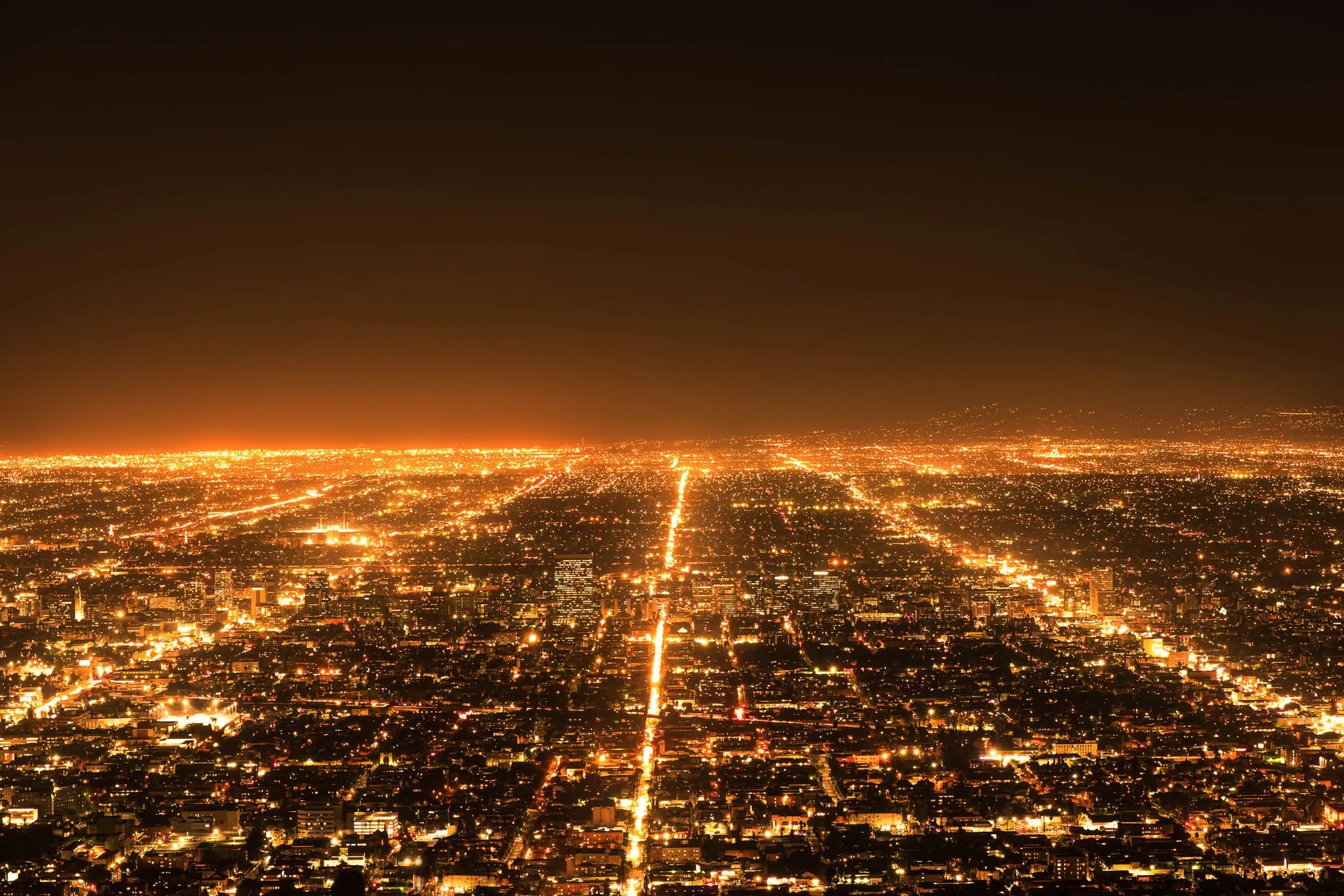
Skyglow hides the stars
Poorly directed outdoor lighting sends light upwards and sideways, brightening the sky and reducing our ability to see the Milky Way, planets, constellations and faint celestial objects.
Dark Skies
Skyglow reduces night-sky visibility and weakens the cultural and scientific value of the starry sky.
Biodiversity
Artificial light can disturb nocturnal species, insects, migration, feeding behaviour and natural rhythms.
Wellbeing
Night-time light exposure can interfere with sleep, rest, circadian timing and our need for darkness.
Energy
Badly shielded lighting wastes electricity, increases costs and creates unnecessary carbon emissions.

The Ecosystem
Darkness is part of the habitat. Artificial light at night can disrupt circadian rhythms, confuse migratory birds, affect insects and alter the relationships between predators, prey, plants and pollinators. Protecting darkness is therefore also a biodiversity action.

Human Rhythms
Humans evolved with a daily rhythm of light and darkness. Excessive or badly timed night-time light can disturb sleep, visual comfort and recovery. Reducing glare and unnecessary light helps create calmer, safer and more liveable night environments.
Astronomy is part of our shared heritage
The starry sky is not only a background for astronomy. It is a scientific, cultural and emotional reference point shared by every generation. When skyglow increases, we lose access to constellations, meteor showers, the Milky Way and the simple experience of looking up from our own landscape.
For Nightwise, dark-sky protection is closely linked to education, sustainable astro-tourism and the promotion of local territories. A darker night helps people discover a place differently, while encouraging more responsible lighting choices.

The Energy Equation
Light pollution is not only an environmental issue. It is also a question of efficiency, public spending and design. Well-directed, shielded and appropriately timed lighting reduces waste while improving night-time comfort and visibility.
Need a light pollution awareness project?
Nightwise supports municipalities, schools, parks, tourism partners and organisations with talks, workshops, dark-sky awareness campaigns, public stargazing events and educational activities about artificial light at night.
Smarter Light. Darker Skies.
Sustainable lighting reduces light pollution, saves energy, improves night-time visibility and helps protect biodiversity. For homes, businesses, tourism sites and municipalities, the goal is simple: use the right light, in the right place, at the right time and at the right intensity.
Good lighting is not brighter lighting. It is better directed lighting.
Many outdoor lighting problems come from light that escapes upwards, sideways or into places where it is not needed. By combining shielding, warmer colour temperatures, adaptive controls and sensible curfews, communities can reduce skyglow, glare, light trespass, energy waste and ecological disturbance without compromising safety.
Smart Usage & Control
Reduce unnecessary lighting with motion sensors, dimming schedules, timers and curfews. Adaptive lighting keeps spaces usable when needed while limiting skyglow, glare and energy consumption during quiet hours.
Precision Shielding
Use full cut-off luminaires and shielded fixtures to direct light downward onto the target area. Proper shielding reduces light trespass, improves visual comfort and protects nocturnal wildlife.
Warm Spectrum LEDs
Choose warm, low-blue lighting where possible. LEDs below 3000K are generally preferable for reducing blue-rich scattering, glare, insect attraction and potential circadian disruption.
Decorative Light Curfews
Limit façade, garden, monument and advertising lighting after peak hours. Curfews and adaptive dimming help preserve the night sky while cutting operational costs.
Contain Indoor Light
Reduce light leakage from homes, offices and commercial buildings by using curtains, blinds and sensible indoor lighting habits in the evening. This supports sleep quality and reduces urban glow.
Community & Policy
Sustainable lighting becomes most effective when individual action is supported by collective planning. Municipal lighting audits, public procurement rules and dark-sky friendly design standards can reduce light pollution at scale.
- Lighting audits: identify unnecessary, poorly directed or excessive outdoor lighting.
- Local guidelines: define shielding, colour temperature, brightness and curfew rules.
- Public awareness: help residents and businesses understand why artificial light at night matters.
- Tourism integration: protect dark landscapes that support sustainable astro-tourism.
Benefits of Dark-Sky Friendly Lighting
Better lighting is practical, measurable and visible. It improves the quality of the night environment while supporting biodiversity, safety, wellbeing, energy efficiency and local identity.
- Lower energy use: less wasted light means lower electricity demand and reduced costs.
- Reduced skyglow: more stars become visible and the night sky regains cultural value.
- Less glare: improved visual comfort can make night-time movement safer and calmer.
- Biodiversity protection: darker corridors support insects, bats, birds and nocturnal species.
Need help with a sustainable lighting project?
Nightwise supports municipalities, tourism partners, schools, parks, organisations and local communities with light pollution awareness, dark-sky education, public talks, workshops and sustainable night-time experience design.
Nightwise awareness hub
Ideas for darker nights
An editorial archive exploring artificial light, satellite megaconstellations and our shared responsibility towards the natural night—from Luxembourg to the space above us.
2025—2026
From the archive
Newest firstAre megaconstellations changing the night sky?
Rapidly expanding satellite fleets are altering astronomy, astrophotography and the experience of an uninterrupted natural sky.
Light pollution in the LED era
Efficient lighting is not automatically responsible lighting. Design, colour, direction and timing determine its real environmental impact.
The hidden cost of winter lights
Festive lighting can reshape nocturnal habitats during the darkest season—a case for warmer, lower and better-timed illumination.
Where to stargaze in Luxembourg
Where natural darkness can still be found in Luxembourg—and why protecting these places matters as much as discovering them.
Explore further
The night is not empty. It is an environment.
Artificial light at night affects far more than our view of the stars. Continue with the short educational video or explore trusted tools for understanding and protecting darkness.